Ask most business owners why they haven’t invested in a proper website, and the answer usually comes down to one word: cost. It feels like an expense, money going out, with no guaranteed return coming back. And when budgets are tight, expenses without guarantees are the first thing to get postponed.
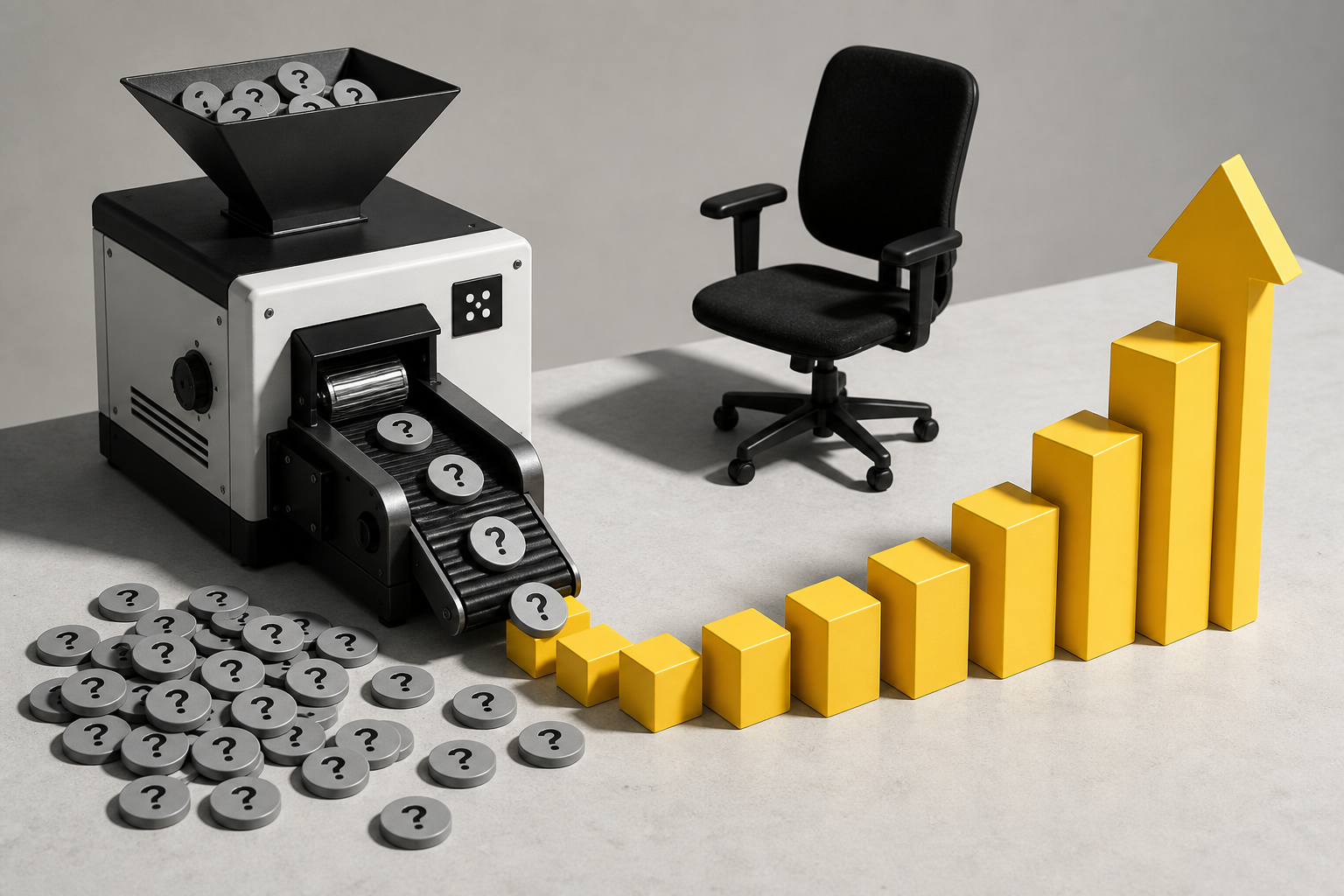
But that framing is the problem. A website isn’t an expense in the same category as office supplies or a new coat of paint. Treated correctly, it functions far more like an employee, one that shows up every day, never calls in sick, never asks for a raise, and works around the clock for a fraction of what you’d pay a single part-time staff member.
What Would You Pay Someone To Do This Job?
Consider what a website actually does for a business, and imagine hiring a person to do the same tasks manually:
- Answer basic customer questions any time of day or night
- Greet every visitor with a consistent, professional introduction to the business
- Show potential customers examples of past work
- Collect contact information from interested leads
- Take bookings or process orders without supervision
- Explain pricing and services clearly, every single time, without getting tired of repeating it
Hiring a person to do all of that, available 24 hours a day, seven days a week, without breaks, would be enormous, well beyond what most small businesses could ever justify. A website performs a version of all of it for a tiny fraction of the cost, and never needs a day off.
The ROI Math Most People Skip
Here’s a simple way to reframe the decision: figure out what a single new customer is worth to your business, not just the first purchase, but their likely value over time if they become a repeat customer. Then ask how many of those a website realistically needs to bring in per year to justify its cost.
For most small businesses, the answer is startlingly small, often just a handful of customers annually pays for the entire investment many times over. Once a website is live, it keeps generating that value month after month, year after year, without needing to be “repurchased.” Very few other business expenses offer that kind of compounding, long-term return for a one-time (or low ongoing) cost.
It’s an Investment, Not a Cost: If You Treat It Like One
The distinction between a cost and an investment isn’t really about the dollar amount, it’s about what happens after you spend it. A cost is money that’s gone, with nothing left to show for it beyond the immediate transaction. An investment is money that keeps generating value long after it’s spent.
A website built well, with clear calls to action, useful content, and a path for visitors to actually become customers, falls firmly into the investment category. It’s not a static brochure you pay for once and forget. It’s active infrastructure that keeps paying you back, month after month, as long as it keeps existing and (ideally) gets occasional attention and updates.
Why “Guesswork” Is the Real Cost
Without a website, a huge amount of business growth ends up depending on guesswork: guessing why a slow month happened, guessing which marketing efforts are working, guessing how many potential customers never even made contact. None of that guesswork is free, it’s just an invisible cost, paid in missed opportunities you can’t see or measure.
A website, especially paired with basic analytics, replaces a meaningful chunk of that guesswork with actual information. You start to see what’s working, what isn’t, and where to focus your energy next. That clarity alone often justifies the investment, even before counting the direct leads and sales it brings in.
What Makes a Website Actually Perform Like an Employee
Not every website earns this comparison, a site that’s outdated, hard to navigate, or missing basic information won’t do much work on your behalf. To actually function like a productive team member, a website needs:
- A clear purpose on every page, what should the visitor do next?
- Up-to-date, accurate information, so it never gives a customer the wrong impression.
- A simple way to take action, book, call, message, or buy, without unnecessary friction.
- Basic analytics, so you can see what it’s actually accomplishing.
- Occasional maintenance, the same way you’d expect any employee to need occasional check-ins and support.
The Bottom Line
Reframing a website from “an expense we’ll get to eventually” to “the cheapest employee we could possibly hire” changes the entire decision. Employees cost salaries, benefits, training, and management. A website costs a fraction of that, works every hour of every day without complaint, and keeps generating value long after the initial investment.
The real question isn’t whether you can afford a website. It’s whether you can afford to keep going without the one team member that’s ready to work around the clock for less than minimum wage, and simply hasn’t been hired yet.