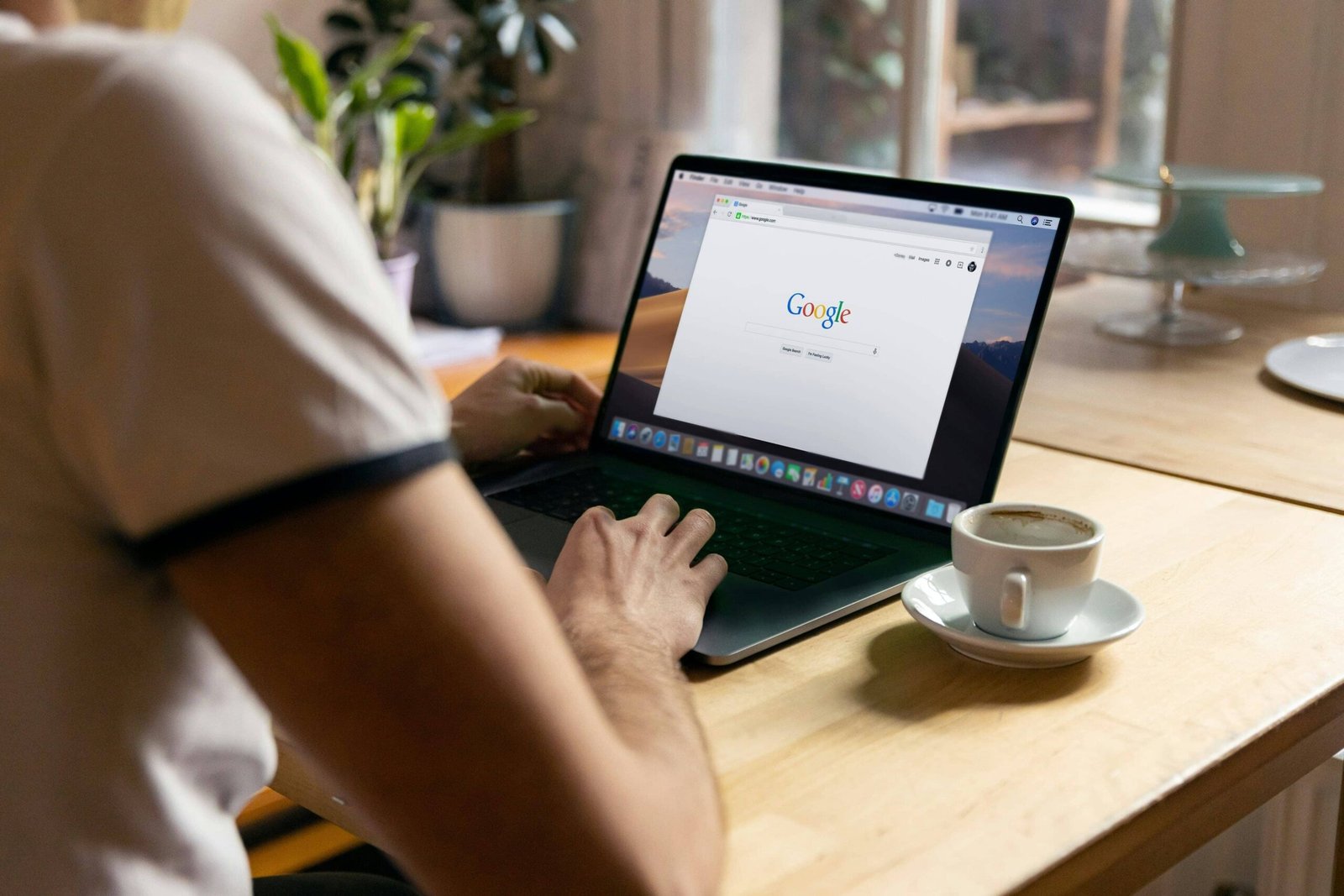
Before a customer ever dials your number, sends a message, or walks through your door, they’ve almost certainly already done one thing: searched your name online.
It’s automatic at this point. Someone recommends a business, and the next move, without even thinking about it, is pulling out a phone and typing the name into Google. What that person finds in the next ten seconds often decides whether they follow through or move on to the next name on their list.
If what they find is… nothing. No website. Maybe an outdated Facebook page with three posts from last year. That silence speaks louder than you’d think.
Absence Reads as a Red Flag
We don’t usually think of “not having a website” as sending a message. But to a customer doing a quick trust-check, it does. In 2026, having no discoverable online presence can read as: unestablished, unprofessional, possibly not even still in business, or simply not serious enough to invest in how you’re perceived.
That’s not a fair judgment in every case, plenty of excellent businesses are slow to build a web presence. But customers aren’t making a fairness ruling. They’re making a fast, gut-level decision about whether to trust you with their money, and an empty search result doesn’t help your case.
A Website Answers the Questions Customers Are Actually Asking
When someone searches your business name, they’re usually trying to answer a short list of questions: Is this a real, established business? What exactly do they offer? What do their prices look like? Have other people had good experiences with them? Can I actually reach them?
A well-built website answers all of that in one place, calmly and clearly, without the customer having to dig. Compare that to a scattered digital trail, a Facebook page here, a directory listing there, no consistent information anywhere, and it’s easy to see why one option builds confidence and the other builds hesitation.
Reviews Alone Aren’t Enough
You might be thinking, “I have great reviews on Google, isn’t that enough?” Reviews absolutely help, and they matter. But reviews tell a customer what other people think of you. A website lets you tell them who you are, in your own words, backed by your own evidence, your process, your experience, your portfolio, your guarantees.
Reviews build social proof. A website builds understanding. Customers make the best decisions when they have both.
Your Competitors Are Filling That Gap
Here’s the part that stings a little: if your business doesn’t show up clearly when searched, and a competitor’s does, you haven’t just lost visibility, you’ve actively pushed that customer toward someone else. They didn’t choose your competitor because the competitor was better. They chose them because the competitor was findable and you weren’t.
In a market where customers are comparing three or four options in the same ten-minute search session, being the one option with no clear online presence is close to disqualifying yourself before the comparison even starts.
What Builds Trust in Those First Ten Seconds
- A clean, professional design that signals you take your business seriously.
- Clear information, services, location, pricing range, contact details, with no digging required.
- Evidence of real work: photos, case studies, testimonials, before-and-afters.
- Consistency with what they’ve already heard about you, so the search confirms rather than contradicts the referral.
- An easy next step, a contact form, a phone number, a booking button, so trust converts into action immediately.
The Bottom Line
Trust used to be built entirely face-to-face, over time, through reputation passed person to person. Today, a huge share of that trust-building happens silently, in a search bar, before you ever get the chance to speak for yourself.
A website doesn’t just describe your business, it vouches for it, at the exact moment a stranger is deciding whether you’re worth their time. If you’re not showing up clearly in that moment, you’re not losing customers to better competitors. You’re losing them to competitors who simply showed up.